Managing money across borders often sounds more complicated than it needs to be. For travelers, expats, remote workers, or even international shoppers, currency conversion and hidden banking fees can be a real headache.
That’s where the Wise Card finds its sweet spot. This article offers a detailed look at the Wise Card’s international spending and multi-currency features, exploring practical benefits and smart use cases for anyone considering more seamless financial life across countries.


What Makes the Wise Card Stand Out?
The Wise Card, formerly known as TransferWise, offers a pretty unique approach to spending abroad. Instead of traditional markup fees, it’s built around actual mid-market exchange rates.
This means that, generally, spending or withdrawing cash in another currency tends to be less expensive than with most major banks.
This card is for those who want to control their overseas spending, or simply avoid being surprised by extra charges. People who travel a lot, shop from international sites, or pay freelancers overseas are likely to see the most value.
But even infrequent travelers may find it helpful—it arguably takes some of the anxiety out of paying internationally.
How the Wise Card Handles Multi-Currency Spending?
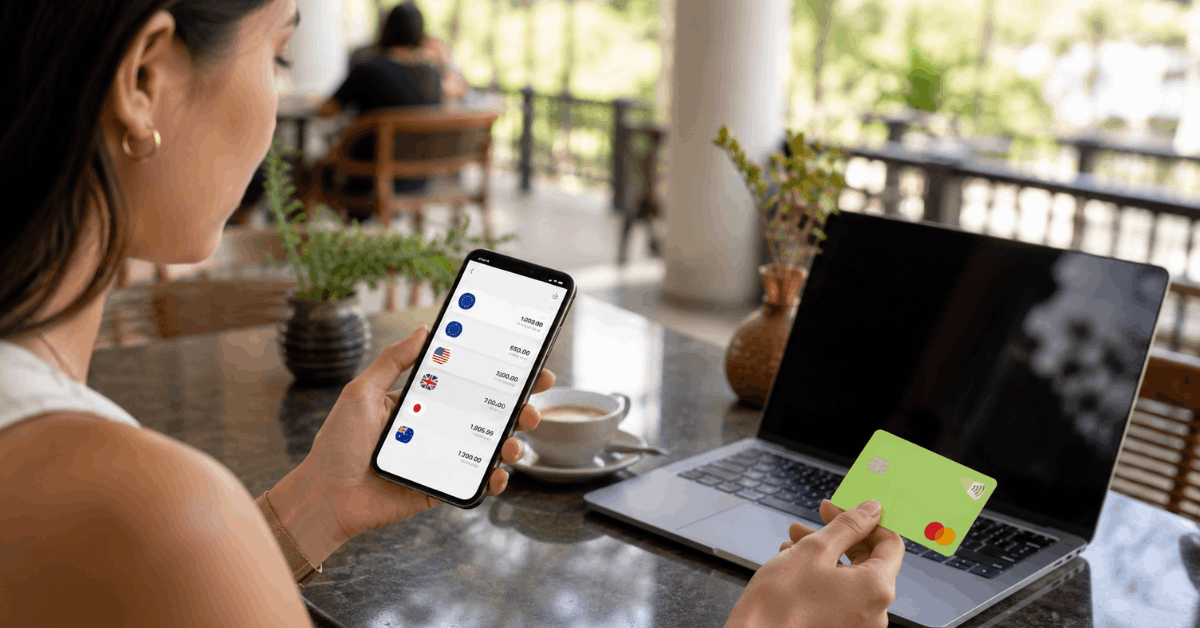
Perhaps what stands out about the Wise Card is its multi-currency account. Rather than holding only one currency, the card allows storage of balances in up to 50 different currencies, switching between them almost instantly using the Wise app or website.
If there’s enough balance in the currency you need, the card will use that for the payment. Otherwise, Wise automatically converts at real exchange rates for a low, transparent fee.
Personally, this kind of flexibility feels almost futuristic compared to traditional debit or credit cards.
Seamless Switching Between Currencies
Users can switch currencies on demand before a trip or an online purchase. For example, if someone is headed to Japan, adding yen directly before traveling could help avoid extra conversion costs.
Auto-Conversion for Shortfalls
If a balance runs low in the required currency, Wise will draw funds from the next available balance—converting just the shortfall amount. No need to guess or manually shuffle funds every time.
Support for Over 160 Countries
It’s possible to spend in over 160 countries using the Wise Card. Accepted anywhere that takes Mastercard or Visa, physical or online, use cases span from booking hotels overseas to paying for groceries locally as an expat.

Key Features of the Wise Card for International Use
- Mid-market exchange rates with no hidden markups
- Supports 50+ currency balances in a single account
- Low, transparent conversion fees displayed upfront
- Contactless and virtual card options for safer, flexible payments
- ATM withdrawals worldwide—up to a certain amount monthly without extra Wise fees
- Card management from a streamlined app—lock or unlock instantly if needed
- Strong fraud protections and 3D Secure for online shopping safety
Worth noting: it’s a debit card, not a credit card. That removes interest anxiety, but also means purchases are directly capped by your Wise account balance.
Real-Life Benefits: Who Might Find the Wise Card Especially Useful?
I think the real value from the Wise Card shows up when spending habits cross national lines regularly. But perhaps some examples will help make that clearer.
Frequent Travelers or Digital Nomads
Anyone moving across borders frequently may appreciate the control over conversions, and the ability to hold different currencies at once.
There are still withdrawal limits and, depending on the country, occasional acceptance issues—but for hotels, restaurants, and shops in most cities, it’s straightforward.
Expats Living Abroad
For expats, especially those who receive income in one currency and live with another, Wise’s real-time currency conversion and international transfers make managing finances notably easier. It lessens reliance on expensive or slow legacy banks.
Online Shoppers
Buying from non-domestic merchants can sometimes trigger “foreign transaction” fees. With Wise, holding currencies like EUR, USD, or GBP can help sidestep these costs. Some people even use Wise for subscription services billed in a foreign currency.
Students Studying Overseas
Wise also seems popular among students abroad—parents can load funds securely, which students can then spend in local currency with clear oversight, typically at a lower cost than their home bank.
Fees With the Wise Card: What to Expect?
No card is entirely free, but Wise is refreshingly clear about its costs. Ordering the card involves a one-time dispatch fee (which varies by country), but there are no ongoing monthly or annual card fees.
For spending, currency conversion uses the mid-market rate. A small conversion fee applies (often around 0.35%–1% depending on currency pairs). ATM withdrawals are free up to a certain limit (e.g., up to £200/month in the UK); a fair usage fee applies after that. There are also some minor fees for replacement cards.
- No surprise FX markups
- No ‘international transaction fee’ as seen with some high-street banks
- ATM fee allowances reset each month
Honestly, there’s a sense of security just knowing exactly what’s being spent or lost in conversion. For larger payments, the difference really can add up.
How to Get and Use the Wise Card?
The application process for a Wise Card is straightforward via their website or app. ID verification is needed, and eligibility is subject to local restrictions (it’s currently supported in over 30 countries).
Card Setup and Management
After ordering and activating the physical card, users can also create virtual cards within the app.
Balances may be topped up by bank transfer, debit card, or other locally available methods. Spending controls and instant locking can be done directly from the app interface.
Compatibility and Payment Acceptance
The Wise Card is accepted anywhere Mastercard or Visa are—so nearly everywhere. Apple Pay and Google Pay are supported in many regions. For online payments, 3D Secure adds an extra layer of safety.
For specific country availability, readers might want to check the official Wise Help Centre or their country-specific FAQ pages.
Potential Drawbacks or Limitations
No solution is perfect, and the Wise Card has its drawbacks. Some people mention occasional acceptance issues, especially in countries where physical card payments aren’t common.
Others are surprised by ATM withdrawal limits. And, as with any fintech product, app downtime or customer service delays might happen sometimes.
It can also feel awkward to juggle currencies if you frequently get paid in one but spend in another. Over time, though, many people actually find this fosters greater awareness of their spending and exchange costs.
Security and User Experience
The Wise Card includes standard debit card protections—instant freezing, two-factor login, and 3D Secure. That’s reassuring, although it’s still a good idea never to treat multicurrency cards as a replacement for strong personal security habits.
Personally, some users say they like the in-app notifications for every transaction. There’s also the peace of mind that comes from instantly seeing currency conversion details with each payment.
Alternatives to the Wise Card
Wise isn’t completely alone in the multi-currency or low-fee travel space. Alternatives like Revolut, N26, or Monzo offer similar solutions, although each has its specific focus or regional strengths. A brief comparison might help some people decide:
- Revolut: Strong on budgeting tools and crypto, can be beneficial for UK/EU travel.
- N26: Premium accounts offer more integrated banking features, but less multicurrency flexibility than Wise.
- Monzo: Excellent for UK users, though not truly multi-currency.
The choice depends on use case—whether travel, remittance, long-term global living, or occasional international payments is the priority.
Conclusion
The Wise Card can be a practical option for travelers, expats, students, remote workers, and international shoppers who want easier multi-currency spending.
Its main value comes from mid-market exchange rates, transparent conversion fees, multiple currency balances, virtual cards, and app-based controls.
Users should still review ATM limits, country availability, conversion costs, and possible card acceptance issues before relying on it fully.
With smart use and regular app monitoring, the Wise Card can make global spending simpler, safer, and more predictable.