The Bank of America Customized Cash Rewards Card offers a flexible approach to earning cashback, allowing cardholders to tailor their rewards. This may appeal to people hoping to make the most of their day-to-day spending.
If you’ve wondered how adjustable cash rewards compare to flat-rate cards, or are seeking more value without extra complications, the following guide could provide some clarity.


This article is especially relevant for budget-conscious individuals, families, or those new to credit cards seeking a better grasp of real, everyday benefits.
Understanding how the card’s cashback categories function can help uncover ways to optimize routine purchases—and perhaps even simplify the path to meaningful savings over time.
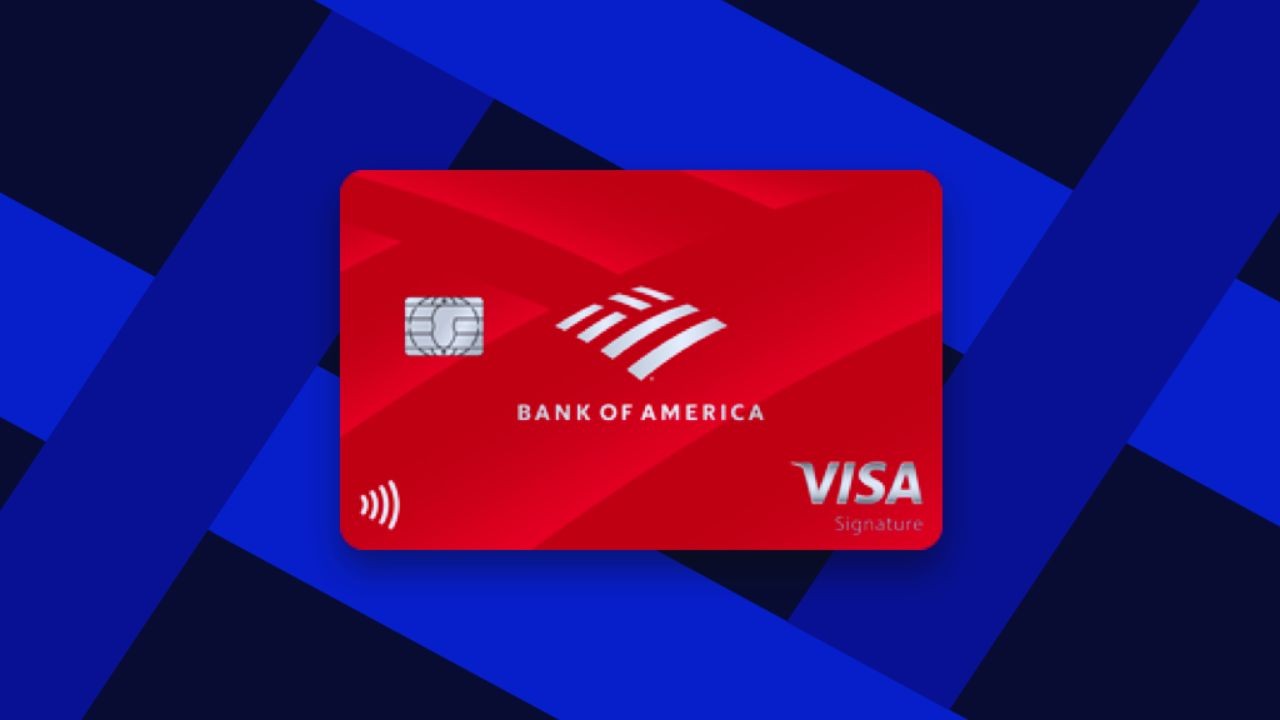
How the Bank of America Customized Cash Rewards Card Cashback Works
At its core, the card lets users pick their own bonus earning category, which tends to feel refreshingly adaptable. Rather than offering one rigid rate, this card gives a sense of control that some may find missing in other cashback products.
Customizable Bonus Cash Back Categories
With this card, there’s an option to choose among several categories for 3% cashback. Choices typically include gas, online shopping, dining, travel, drug stores, or home improvement/furnishings.
Changing the category is available once each calendar month—a feature that can feel surprisingly empowering.
Other Cashback Rates Explained
On top of the main 3% category, cardholders can earn 2% cashback at grocery stores and wholesale clubs.
Everyday purchases outside those areas receive 1% cashback. There’s a quarterly spending cap of $2,500 on the combined 3% and 2% categories, after which purchases revert to 1%.
For some, this limit is more than enough; for larger households or frequent travelers, it may require occasional tracking.
Comparing Cashback Categories: Which Offers the Best Value?
Picking the right category isn’t always obvious. For someone who commutes, selecting gas might consistently add value, while e-shoppers might prefer ‘online shopping’—a broad bonus category covering many brands.
Those who travel or often eat out might find dining or travel more rewarding.
Practical Real-World Scenarios
Let’s say a family is spending more at home improvement stores in spring; switching the bonus category for a few months could enhance rewards during renovation projects.
Afterward, changing back to gas or groceries can suit different spending cycles. This flexibility is what gives the card its distinctive value proposition, in some people’s opinions.
Weighing Flexibility Against Simplicity
Flexibility might seem ideal, but some find the need to keep track of bonus categories slightly off-putting.
If effortless, set-and-forget rewards are a top priority, a flat-rate cashback card may be easier, yet the possible boost in rewards here shouldn’t be underestimated if one is willing to pay a little attention.
Earning Potential: Cash Back Calculations Over Time
It’s natural to wonder—how much can someone actually earn? Assuming monthly expenses fall mainly within a chosen bonus category, plus some in groceries, the rewards can add up faster than expected.
Sample Spending and Annual Cashback
- $500 monthly in chosen 3% category = $180/year
- $300 monthly at groceries/wholesale = $72/year
- $200 monthly on other purchases = $24/year
In this conservative scenario, total annual cashback approaches $276, not counting any signup bonuses or promotional offers. However, actual results could vary, especially if spending patterns shift throughout the year.
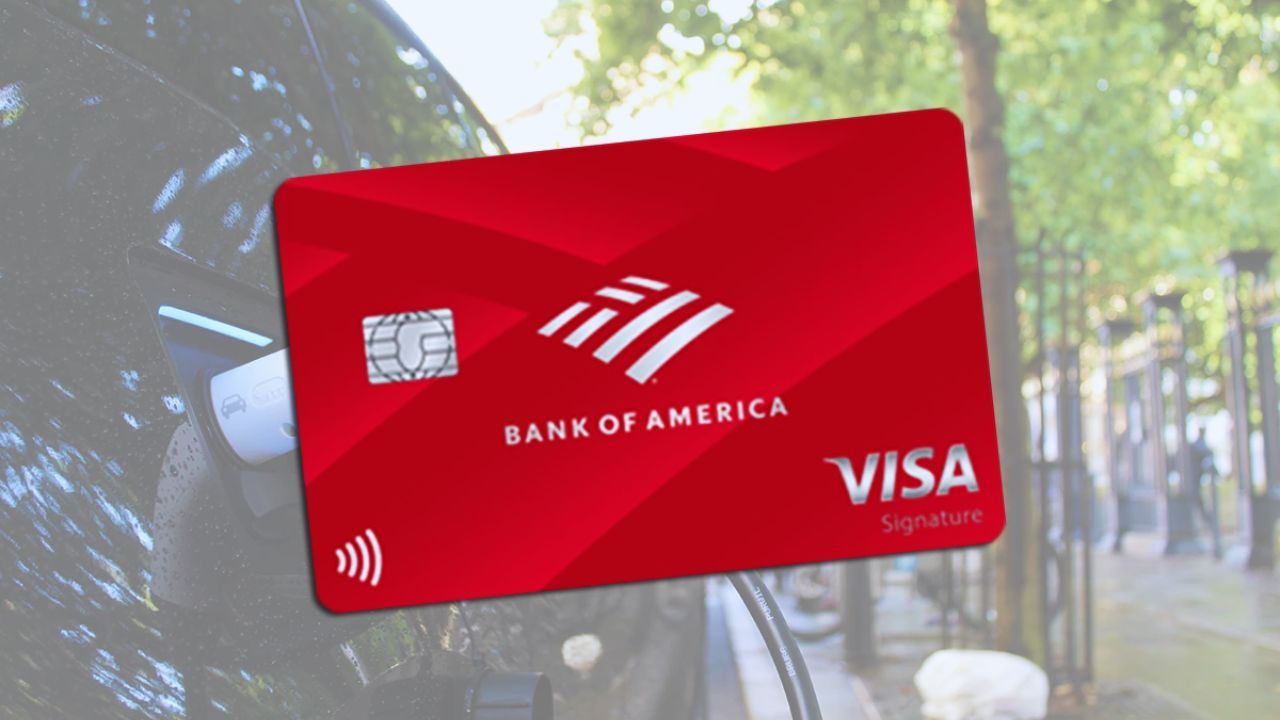
Bank of America Preferred Rewards Bonus: An Extra Perk
Some cardholders may qualify for an additional Preferred Rewards bonus, a program for Bank of America clients who maintain larger account balances.
The bonus can increase cashback rates by 25–75%, meaning potential to earn up to 5.25% back on chosen categories if eligible.
Yet, reaching this tier may require substantial banking relationships. For typical spenders or newcomers, it’s arguably a nice-to-have rather than a make-or-break feature.
Redemption: Turning Cashback Into Real Value
Cashing out rewards is surprisingly uncomplicated. Options generally include statement credits, direct deposit into Bank of America accounts, or credit toward eligible Merrill accounts.
A noteworthy point—there’s no minimum reward redemption requirement if you use a Bank of America account, but other methods may have a small threshold.
Some people prefer to let rewards accumulate for an annual cash-out, while others draw down rewards more frequently.
Redemption Considerations
Unlike some competitors, there are no convoluted reward catalogs or travel portals to decipher. The straightforward cashback model invites regular use for everyday expenses rather than saving up for a complex, high-point redemption.
Pros and Potential Drawbacks: An Honest Look
No card delivers only benefits. While many might praise the card’s user-selectable category, a few common drawbacks occasionally surface in user feedback.
Card Advantages
- Customizable bonus category for adaptable rewards
- Broad bonus choices including online shopping, less common than at other banks
- No annual fee, making long-term ownership accessible
- Simple redemption without blackout dates or rotating categories (beyond what you expressly choose)
Potential Limitations
- $2,500 quarterly combined category cap can limit bonuses for heavy spenders
- Bonus category tracking requires attention to maximize
- Outside Bank of America, cashout thresholds may apply
- No special travel protections compared to some mid-tier cards
Who Might Benefit Most From This Cashback Card?
The Bank of America Customized Cash Rewards Card seems well-suited for people who can easily adapt their card usage to match bonus categories—like young professionals, families, or anyone whose budget changes month to month.
Those already banking with Bank of America or Merrill accounts might get even more value, but that isn’t a strict requirement for competitive rewards.
That said, it could make less sense for high spenders demanding unlimited bonus rates or for frequent international travelers who may need stronger travel benefits and global acceptance.
Comparing With Other Cashback Cards
Other cashback cards—think Chase Freedom Flex or Citi Custom Cash—offer their spins on customizable or rotating rewards, and sometimes add extra features or require more activation steps.
It might be helpful to compare their bonus structures, redemption methods, and caps directly, if deciding between them.
Some users find the Bank of America Customized Cash Rewards Card easier to understand, with less complexity once the category is set, while others might appreciate the wider range of bonus categories or quarterly activations offered elsewhere.
Tips for Maximizing Cashback Earnings
- Review and adjust your 3% bonus category to align with biggest planned purchases.
- Combine with family or partner spending in the same account for quicker rewards accrual.
- Set reminders to check or update bonus categories monthly if your spending profile changes.
- Watch for occasional targeted offers through Bank of America’s deals platform for extra savings.
Key Legal and Tax Considerations
It’s a common misunderstanding, but in the US, most cashback earned from credit cards is considered a rebate—not taxable income.
However, if a business is earning rewards on business purchases, different tax considerations may apply. Always review updated IRS guidance or consult a tax professional for business use.
On the legal front, applicants can expect a credit check and must meet income and residency requirements. Reading the full card’s terms and privacy policy is strongly suggested to stay informed of changes.
Conclusion
The Bank of America Customized Cash Rewards Card can help make everyday spending more intentional by letting cardholders earn cashback in categories that fit their routine.
By understanding reward limits, eligible purchases, and payment habits, you can use the card more strategically. Smart planning turns regular expenses into steady, practical savings.
Note: There are risks involved when applying for and using credit. Consult the bank’s terms and conditions page for more information.